







Creating a productive home office environment is essential for anyone working remotely or running a business from home. When your workspace is well-designed and organized, it can improve focus, efficiency, and overall job satisfaction. Whether you have a dedicated room or a small corner in your living space, the right setup can make a significant difference. Here are some practical tips to help you create a home office that supports your productivity.
Choose the Right Location
Selecting the best spot for your home office can set the foundation for productivity. Ideally, pick a quiet area with minimal distractions where you can concentrate. Natural light is a big bonus, so positioning your desk near a window can help boost mood and energy.
If space is limited, consider using a foldaway desk or a compact workstation. The key is to have a designated area that your brain associates with work.
Invest in Comfortable and Functional Furniture
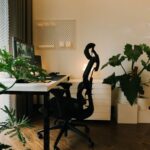
Comfort is crucial when spending long hours at a desk. Choose a chair that supports good posture, with adjustable height and lumbar support if possible. An ergonomic chair can prevent back and neck pain and help you stay focused.
Your desk should be at a comfortable height and spacious enough for your computer, paperwork, and any tools you need. If standing desks fit your style, they offer the option to alternate between sitting and standing, which can improve circulation and energy.
Organize Your Workspace
Clutter can quickly disrupt your workflow and increase stress. Keep your workspace tidy by using organizers, drawers, or shelves to store supplies, documents, and electronics.
Use cable management solutions to keep cords in check and reduce visual distractions. A clean desk helps improve concentration and keeps you motivated.
Optimize Lighting
Proper lighting is often overlooked but plays a critical role in productivity. Aim for a combination of natural and artificial light to avoid eye strain and fatigue.
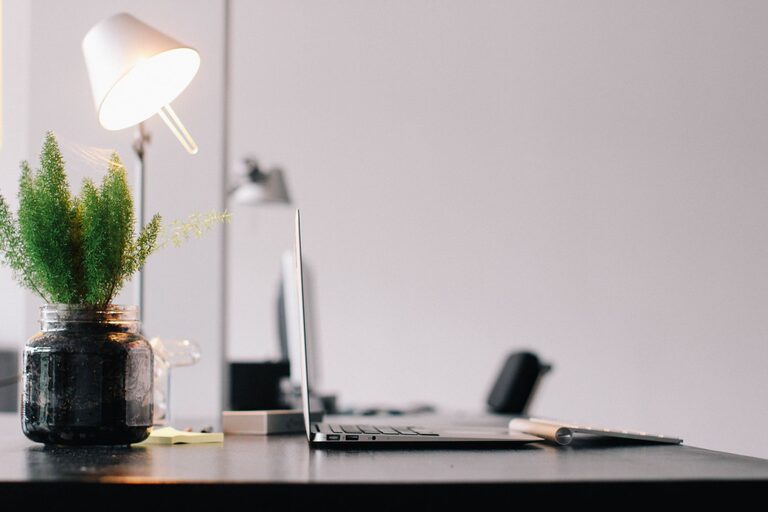
Position your desk near a window for daylight and add a desk lamp with adjustable brightness to illuminate your workspace during evening hours or cloudy days. Avoid harsh overhead lighting that creates glare.
Minimize Distractions
Working from home can come with many distractions—from household chores to family members or pets. To maximize productivity, set boundaries and communicate your work hours to those around you.
Use noise-canceling headphones or soft background music to drown out sounds that interrupt your focus. Some people find white noise apps helpful to create a consistent auditory environment.
Personalize Your Workspace
Adding a few personal touches can make your home office feel inviting and inspire creativity. Consider incorporating plants, artwork, or meaningful objects that motivate you.
However, balance personalization with simplicity to avoid clutter. The goal is to create a space that feels comfortable and professional.
Establish a Routine
Having a consistent daily routine can improve your work habits and mental clarity. Start by setting regular hours and taking scheduled breaks, just as you would in a traditional office.
Begin your day by organizing tasks and setting clear goals. This structure can help separate work time from personal time, making it easier to switch off at the end of the day.
Use Technology Wisely
Equip your home office with the right technology to support your tasks. This might include a reliable computer, high-speed internet connection, a printer, headset, and software for communication or project management.
Keep your devices updated and secure to avoid interruptions. Back up important files regularly to prevent data loss.
Maintain Physical and Mental Well-being
Don’t forget to take care of yourself while working from home. Stretch regularly, take short walks, and stay hydrated throughout the day.
Consider incorporating some light exercise into your routine or practicing mindfulness techniques to reduce stress and maintain focus.
Keep Improving Your Space
Your home office needs may change over time. Periodically evaluate your setup and make adjustments as needed.
Gather feedback from yourself about what works and what doesn’t. Small changes such as new lighting, different furniture, or better organization can keep your workspace productive and enjoyable.
—
Creating an effective home office environment is a blend of functionality, comfort, and personal preference. By following these tips, you can build a workspace that enhances your productivity and makes working from home a rewarding experience.