

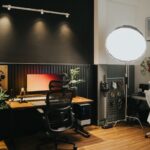

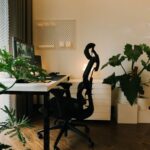






Creating a productive home office space is essential for anyone working remotely or managing tasks from home. A well-designed workspace can improve focus, reduce stress, and help maintain a healthy work-life balance. Whether you have a dedicated room or a small corner, this guide offers practical tips to optimize your home office for maximum productivity.
Choose the Right Location
Finding the best spot for your home office is the first step. Ideally, select a quiet area with minimal distractions. If possible, use a room with a door to separate work from home life. Natural light is important — a space near a window can boost mood and energy.
If space is limited, consider these options:
– A corner in your living room or bedroom
– A converted closet
– A section of your dining area
The goal is to create a defined and consistent work zone that signals your brain it’s time to focus.
Invest in Comfortable and Functional Furniture
Your furniture layout impacts both comfort and productivity. Here’s what to keep in mind:
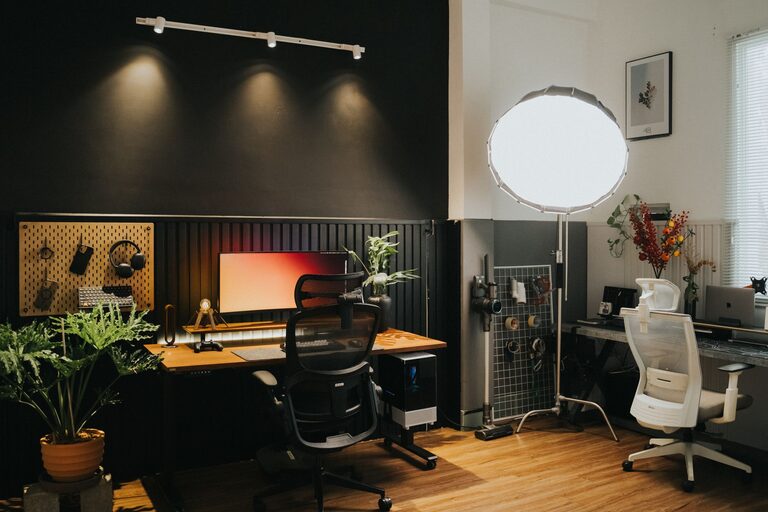
– Desk: Choose a desk with enough surface area for your computer, notebook, and other essentials. Adjustable desks that allow sitting and standing positions are a bonus.
– Chair: An ergonomic chair supports your back and encourages good posture. Adjustable height and lumbar support are key features.
– Storage: Use shelves, filing cabinets, or desk organizers to keep supplies accessible but tidy.
Avoid working from a couch or bed, as these options can hurt your posture and focus.
Optimize Lighting for Comfort and Focus
Proper lighting reduces eye strain and enhances concentration. Aim for layered lighting:
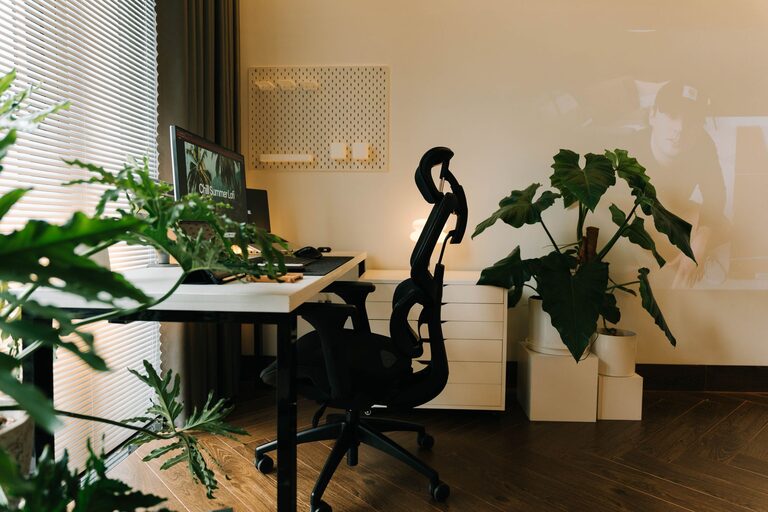
– Natural light: Position your desk near a window if possible, but avoid glare on screens.
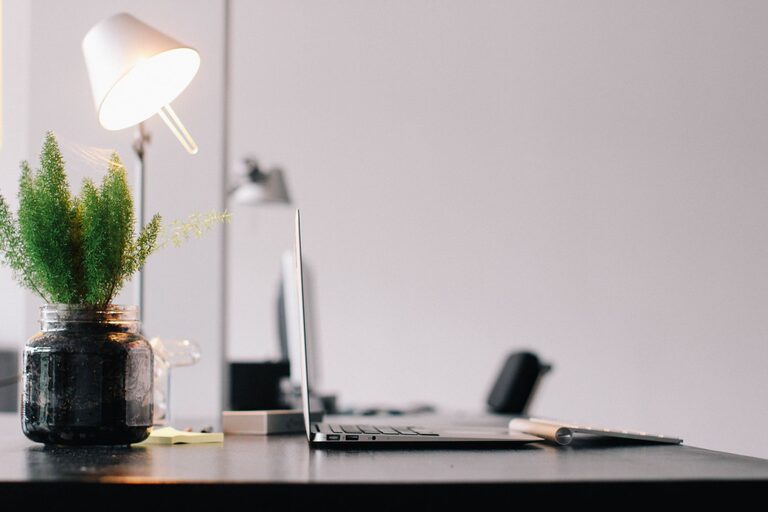
– Task lighting: A good desk lamp with adjustable brightness helps on cloudy days or late evenings.
– Ambient lighting: Overhead lights should be bright enough to light the room without harsh shadows.
Warm light tones are usually more comfortable for long periods of work.
Minimize Clutter and Stay Organized
A clutter-free environment clears your mind and increases efficiency. Tips for maintaining order:
– Regularly declutter your desk and surrounding area.
– Use labeled drawers and containers for supplies.
– Keep only essentials on your desk.
– Digitize documents to reduce paper piles.
Organizational apps and tools can also help manage tasks and deadlines efficiently.
Personalize Your Space
Adding personal touches makes your workspace inviting and motivating. Consider:
– Photos or artwork that inspire you
– Plants for a touch of nature, which can improve air quality and reduce stress
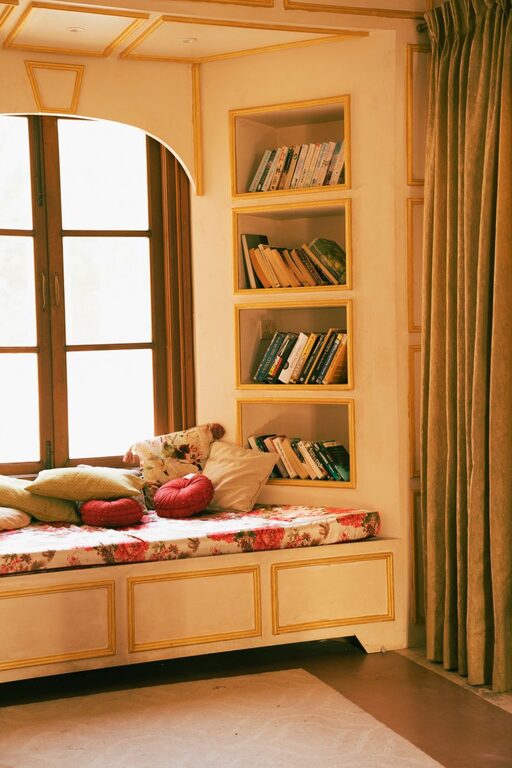
– A comfortable rug or cushions for warmth and texture
Keep personalization balanced—too much decoration can become distracting.
Set Boundaries and Establish a Routine
One of the challenges of working from home is separating work from personal time. Clear boundaries are crucial:
– Define your work hours and stick to them.
– Communicate your schedule to family members or roommates.
– Use physical cues (like closing the door or putting away work materials) to signal the end of the day.
A consistent routine including breaks and a designated workspace helps maintain productivity.
Use Technology Wisely
Equip your home office with the right technology for smooth workflow:
– Reliable internet connection
– Headphones for calls or background noise reduction
– Backup chargers and cables organized nearby
– Productivity apps like calendars, task managers, or note-taking software
Avoid multitasking or distractions from social media during work hours by using apps that block distracting websites if needed.
Prioritize Ergonomics and Health
Long hours at a desk can take a toll on your body. Ergonomics aids comfort and reduces injury risk:
– Keep your monitor at eye level to avoid neck strain.
– Position your keyboard and mouse so your elbows are at 90 degrees.
– Take regular breaks to stand, stretch, and move around.
– Consider using a footrest or anti-fatigue mat if standing.
Hydrate and maintain good posture to stay energized throughout the day.
Final Thoughts
Creating a productive home office is about combining comfort, organization, and focus. Tailor your space to your needs, invest in quality furniture, and build habits that support your work style. With a thoughtfully designed environment, working from home can become both enjoyable and efficient. Remember, your home office is your personal productivity hub—make it work for you!