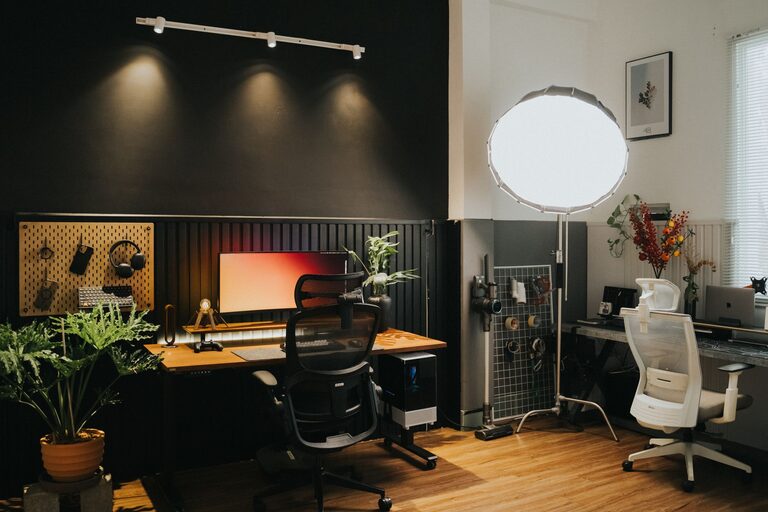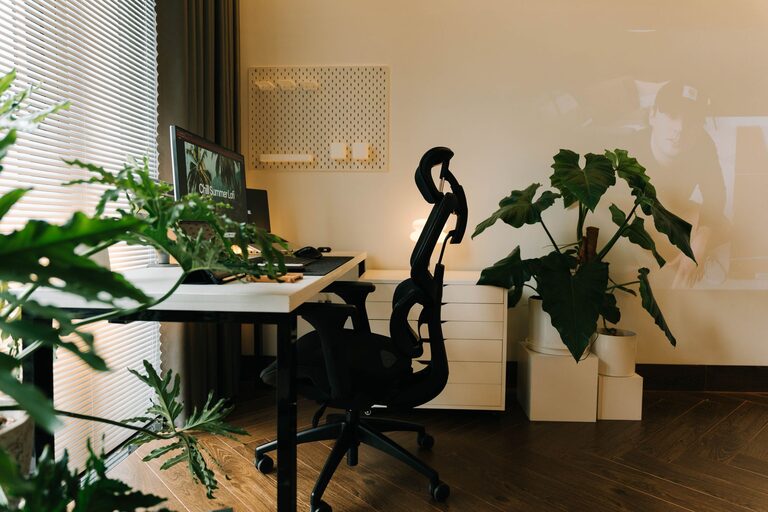










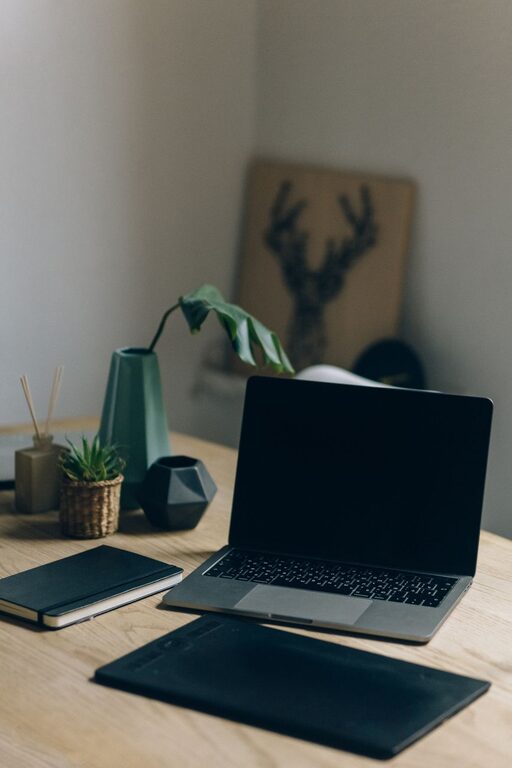
Working from home offers flexibility and convenience, but creating a productive home office environment can be a challenge. Whether you’re new to remote work or looking to improve your current setup, there are key elements that help boost focus, comfort, and efficiency. In this post, we’ll explore practical tips to design a home office space that supports productivity and well-being.
Choose the Right Location
The first step in creating a productive home office is selecting a dedicated space. Ideally, pick a quiet area with minimal distractions. This helps create a mental boundary between work and personal life.
– Separate Space: A spare room, a corner in a less-trafficked area, or a nook with a door can work well.
– Natural Light: Position your desk near a window to benefit from natural daylight, which improves mood and alertness.
– Minimal Noise: Avoid spaces near loud appliances or high-traffic areas if possible.
Invest in Ergonomic Furniture
Comfort is key when you spend long hours working. Poor posture can lead to discomfort and decreased productivity.
– Desk: Choose a desk with enough surface area for your computer, paperwork, and accessories.
– Chair: An ergonomic chair that supports your lower back and encourages good posture will reduce fatigue.
– Adjustable Setup: Consider height-adjustable desks or monitor stands to customize your workspace for comfort.
Organize Your Workspace
A clutter-free environment helps maintain focus and reduces stress.
– Declutter Regularly: Clear excess items and organize essentials neatly.
– Storage Solutions: Use shelves, drawers, and containers to keep supplies within reach but out of sight.
– Cable Management: Use clips or sleeves to keep cords tidy and prevent tangles.
Optimize Lighting
Good lighting isn’t just about brightness; it’s about reducing eye strain and creating a comfortable atmosphere.
– Task Lighting: Add a desk lamp with adjustable brightness for focused light.
– Avoid Glare: Position screens to avoid reflections from windows or overhead lights.
– Balanced Lighting: Combine natural light with artificial sources to minimize shadows.
Minimize Distractions
In a home environment, distractions can easily interrupt workflow. Setting boundaries and creating focus zones helps.
– Set Clear Boundaries: Inform family or roommates of your work hours and workspace rules.
– Use Noise Control: Noise-cancelling headphones or background music can block disruptive sounds.
– Limit Digital Interruptions: Turn off unnecessary notifications and consider apps that promote focus.
Personalize Your Space
Adding personal touches can make your home office feel inviting, boosting motivation.
– Decorate Wisely: Use plants, inspirational artwork, or color accents that make you feel positive.
– Comfort Items: Keep a cozy blanket or stress-relief tools nearby.
– Maintain Cleanliness: A tidy space feels more inviting and motivating.
Establish a Routine
Creating habits around your workspace supports consistent productivity.
– Set Work Hours: Define a schedule and stick to it as much as possible.
– Morning Rituals: Start your day with a ritual—such as coffee or a short walk—to prepare mentally.
– Break Times: Incorporate short breaks to stretch and rest your eyes.
Use Technology to Your Advantage
Technology tools can streamline tasks and improve communication.
– Reliable Internet: Ensure a stable connection for video calls and cloud services.
– Organizational Apps: Use calendars, task managers, and note-taking apps to stay organized.
– Backup Solutions: Regularly save important files to avoid data loss.
Maintain Health and Wellness
Your physical and mental health directly affect your work quality.
– Stay Active: Incorporate movement throughout your day, like standing or stretching breaks.
– Hydrate and Nourish: Keep water and healthy snacks at hand.
– Manage Stress: Practice relaxation techniques or mindfulness during breaks.
—
Creating a productive home office environment doesn’t have to be complicated. By focusing on a dedicated space, ergonomic comfort, organization, and healthy habits, you can enhance your work-from-home experience. Small adjustments can lead to significant improvements in your focus and overall satisfaction with your workspace. Try these tips and tailor them to fit your unique needs for a more efficient and enjoyable workday at home.