









Creating a relaxing home workspace is essential for maintaining focus and well-being, especially in today’s work-from-home environment. A calming workspace can help reduce stress, improve productivity, and make your days more enjoyable. Whether you have a dedicated office or just a corner in your living room, these tips will guide you in designing an environment that supports both concentration and relaxation.
Why a Relaxing Workspace Matters
A workspace that feels comfortable and inviting encourages you to stay motivated and focused. When your environment is cluttered or uncomfortable, it can add to feelings of stress and make it harder to get work done. On the other hand, a soothing space helps clear your mind and boosts creativity. By intentionally designing your home workspace, you set yourself up for success.
Choose the Right Location
Finding the best spot in your home is the first step toward creating a relaxing workspace.
– Natural Light: Try to position your desk near a window. Natural light improves mood and reduces eye strain.
– Quiet Area: Choose a place where you’re least likely to be disturbed. A secluded nook or a spare room can work well.
– Comfortable Temperature: Make sure the location isn’t too hot or cold, as discomfort can be distracting.
Invest in Comfortable Furniture
Your workspace should be supportive and comfortable to prevent physical strain during long hours.
– Ergonomic Chair: Opt for a chair that supports your back and promotes good posture.
– Adjustable Desk: Consider a desk with adjustable height or enough space to allow comfortable arm placement.
– Footrest and Keyboard Tray (optional): These can help create a more ergonomic setup.
Declutter and Organize
A tidy workspace fosters a calm mindset and helps you focus better.
– Minimal Essentials Only: Keep only the items you frequently use on your desk.
– Use Storage Solutions: Bins, shelves, and drawers can keep supplies organized and out of sight.
– Cable Management: Use clips or ties to keep cords neat and prevent tangling.
Incorporate Soothing Colors
Colors can influence how relaxed or focused you feel in a space.
– Soft Neutrals: Shades like light gray, beige, or soft whites provide a clean and calming background.
– Pops of Color: Add gentle touches of blue or green to encourage relaxation.
– Avoid Bright, Overwhelming Colors: Vibrant reds or yellows can sometimes feel too energizing or distracting.
Add Personal Touches
Including items that bring you joy or comfort can make your workspace feel inviting.
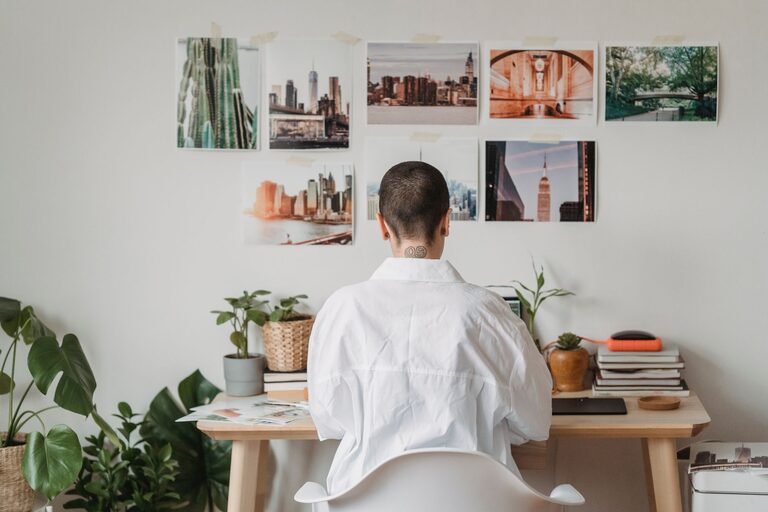
– Plants: A few small plants improve air quality and add a natural, tranquil vibe.
– Art or Photos: Display artwork or pictures that inspire and relax you.
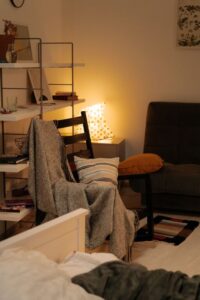
– Comfort Items: Use a cozy blanket or cushion for added comfort during work sessions.
Enhance Lighting for Comfort
Good lighting reduces eye fatigue and boosts focus.
– Layered Lighting: Combine overhead lighting with desk lamps for even illumination.
– Adjustable Desk Lamp: Allows you to control the brightness based on your task.
– Avoid Glare: Position screens and lights to minimize reflections on your monitor.
Limit Distractions
Creating boundaries helps you maintain focus and keeps your workspace a relaxing zone.
– Use Noise-Canceling Headphones or play soft background music if ambient noise is an issue.
– Set Work Hours: Inform household members of your schedule to reduce interruptions.
– Keep Electronics in Check: Silence non-essential notifications on your computer and phone during work time.
Incorporate Break Spaces Nearby
Taking breaks is vital for relaxation and productivity.
– Create a Small Lounge Area: If space allows, have a nearby spot with a comfortable chair or cushion for short breaks.
– Stretching Zone: Ensure there is enough room for simple stretches or breathing exercises.
– Hydration Station: Keep water or tea nearby to encourage regular hydration breaks.
Maintain Your Workspace Regularly
Keeping your space organized and clean helps preserve its relaxing quality.
– Daily Tidying: Spend a few minutes at the end of each day to clear your desk.
– Weekly Deep Clean: Wipe surfaces and dust plants or shelves.
– Rearrange as Needed: Don’t hesitate to adjust your layout if something stops feeling comfortable or inspiring.
Final Thoughts
Designing a relaxing home workspace is a blend of functionality, comfort, and personal preference. By choosing the right location, investing in ergonomic furniture, maintaining organization, and adding personal touches, you can create a space that supports both your productivity and well-being. Remember, your workspace should be a place you look forward to spending time in—when your environment feels right, your work will follow suit.