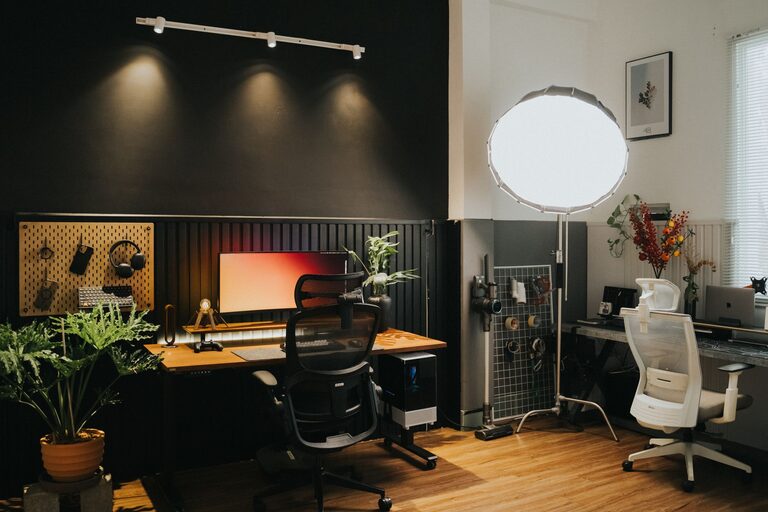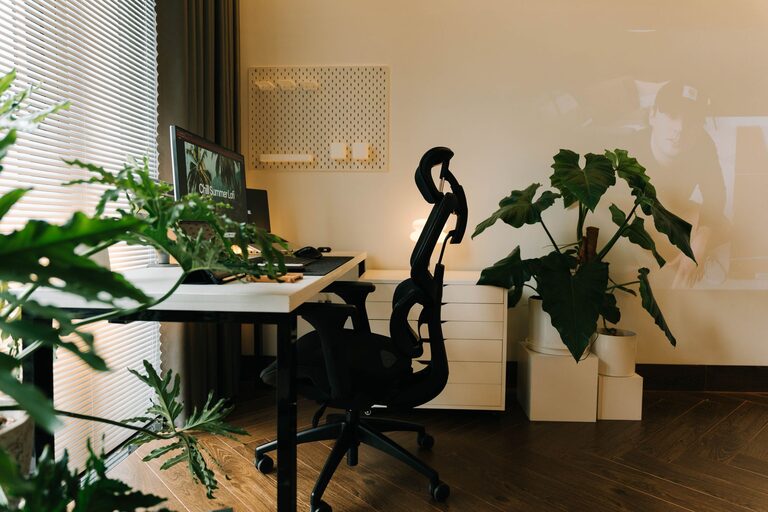










Creating a home office that is both cozy and functional can greatly improve your productivity and overall work experience, especially if you spend many hours at your desk. Whether you have a dedicated room or just a small corner, there are plenty of ways to make your home office comfortable, inviting, and efficient.
In this post, we’ll explore tips on designing and organizing your workspace, choosing the right furniture, optimizing lighting, and adding personal touches to boost both comfort and function.
Choose the Right Location
The first step in creating a great home office is selecting the right spot. Consider these factors:
– Natural light: Try to choose a space near a window to make the most of natural daylight, which can improve mood and energy.
– Quiet environment: Pick a spot away from heavy foot traffic or noisy appliances to minimize distractions.
– Privacy: If possible, use a separate room or area where you can close the door to help you focus.
– Space requirements: Assess the size of the area to ensure it fits your furniture and allows for movement.
Invest in Comfortable, Supportive Furniture
Your furniture shapes your work routine, so prioritize comfort and ergonomics to maintain health and productivity.
– Desk: Choose a desk that suits your work style and the equipment you use. Adjustable desks or standing desks offer flexibility.
– Chair: An ergonomic chair with good lumbar support helps prevent back pain from long sitting hours. Adjust height and tilt to your comfort.
– Storage: Include shelves, drawers, or filing cabinets to keep supplies organized but within reach.
– Accessories: Consider monitor stands, keyboard trays, and footrests to improve posture and comfort.
Maximize Lighting for Productivity
Proper lighting reduces eye strain and creates a pleasant atmosphere.
– Natural lighting: Position your desk so you can use sunlight without glare on your screens.
– Task lighting: A desk lamp with adjustable brightness is useful for focused work, especially in the evenings.
– Ambient lighting: Soft overhead lighting complements the space and reduces harsh shadows.
– Color temperature: Choose cool white light for alertness during the day and warmer tones for a relaxing environment.
Keep Your Workspace Organized
A clutter-free space helps you stay focused and save time.
– Declutter regularly: Remove unnecessary items to maintain a tidy area.
– Use organizers: Desk trays, pen holders, and cable management solutions keep essentials orderly.
– Digital organization: Organize files and emails with clear labels and folders to boost efficiency.
– Clear surface: Keep your desktop mostly clear to provide enough space for writing and other tasks.
Add Personal and Cozy Touches
Small details can make your office feel inviting and stimulate creativity.
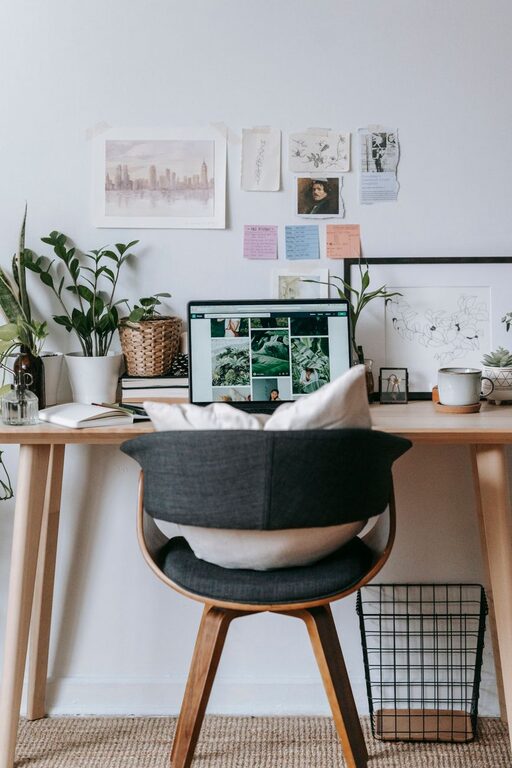
– Plants: Adding greenery improves air quality and creates a calming vibe.
– Artwork: Hang inspiring prints, photos, or motivational quotes to personalize your space.
– Textiles: Use cushions, rugs, or curtains to add texture and warmth.
– Scent: Consider a subtle diffuser or candles with gentle fragrances to enhance comfort.
Manage Noise and Distractions
Creating an environment that minimizes interruptions is key for concentration.
– Noise-canceling headphones: These can be helpful if your home is noisy.
– Soundproofing: Rugs, curtains, and wall hangings absorb sound.
– Set boundaries: Communicate your work hours to household members to reduce disruptions.
Incorporate Technology Thoughtfully
Technology supports your workflow but should not overwhelm your space.
– Cable management: Use clips, sleeves, or boxes to keep cords neat and avoid tangles.
– Wireless devices: Minimize clutter with wireless keyboards, mice, and printers.
– Multiple monitors: If you use more than one screen, arrange them ergonomically to avoid neck strain.
– Charging stations: Designate areas for charging devices to keep them organized.
Prioritize Air Quality and Temperature
Comfort includes maintaining a pleasant atmosphere.
– Ventilation: Open windows regularly or use an air purifier to keep the air fresh.
– Temperature control: A fan, heater, or thermostat adjustment ensures a comfortable working environment.
– Humidity: Use a humidifier or dehumidifier if necessary to avoid dryness or excessive moisture.
Establish a Routine and Personal Workflow
Your space should support how you like to work.
– Define zones: If your office is part of another room, clearly separate work areas from leisure areas.
– Use timers or breaks: A comfortable space encourages better habits, like taking regular breaks.
– Keep essentials accessible: Have frequently used items nearby to minimize disruptions.
—
By carefully combining comfort and practicality, your home office can become a pleasant place that boosts your efficiency and well-being. Small changes and thoughtful design make a big difference — so start with these tips and tailor your space to fit your unique needs.